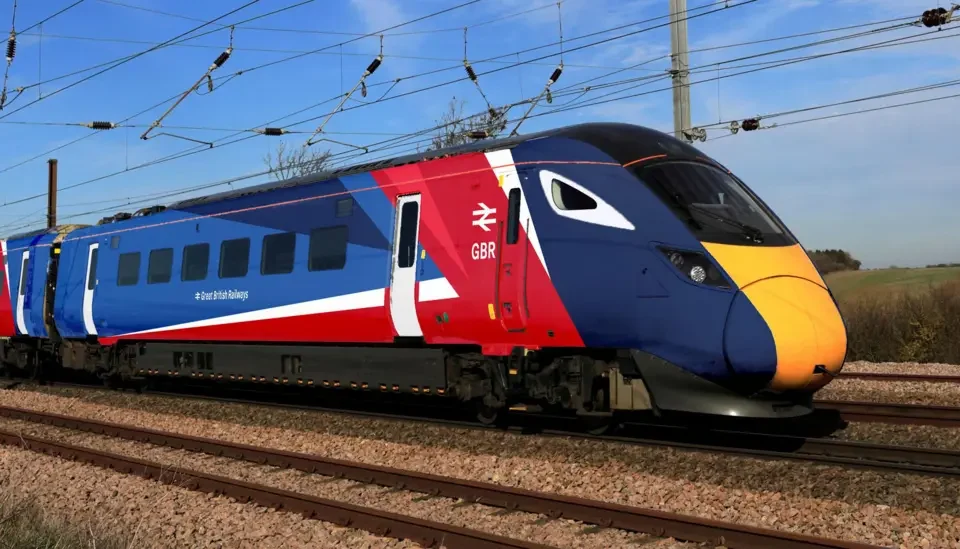

Britain’s railways are undergoing their biggest structural change in a generation. After nearly three decades of privatised train operations sitting on a publicly owned network, the government is bringing passenger services back under public control as contracts expire, while creating a new integrated body called Great British Railways (GBR). Here is a clear look at the facts, the history, the early results, and the range of views.
The Historical Facts
UK railways were nationalised in 1948 under the Transport Act 1947 and run as British Railways (later British Rail). By the 1980s and early 1990s the system was relatively efficient by European standards but suffered from underinvestment, declining passenger numbers for decades, and the Beeching cuts.
The Railways Act 1993 privatised operations. Infrastructure went to Railtrack (later replaced by the publicly owned Network Rail after major problems), train operations were franchised to private Train Operating Companies (TOCs), and rolling stock was owned by private leasing companies (ROSCOs). The goal was competition, private investment, and reduced taxpayer subsidy.

What Happened Under Privatisation
Passenger journeys roughly doubled from around 760 million in the mid-1990s to a pre-pandemic peak near 1.7–1.8 billion. Growth outpaced several other European countries. Britain also developed one of the safest rail networks in Europe. Advance fares became more competitive, marketing improved, and more services ran.
Problems were also clear. The system was highly fragmented, with complex interfaces between operators and Network Rail. Fares are among the highest in Europe for many journeys, especially peak and flexible tickets. Subsidy rose sharply after the 2000 Hatfield crash and again after the pandemic (operational government funding was around £11.9 billion in 2024–25, nearly half of industry income, well above pre-Covid levels). Several franchises failed or were taken into public hands earlier by Conservative governments (LNER, Northern, Southeastern, TransPennine Express). Complexity produced tens of millions of fare combinations.
Network Rail has been public for years. Scotland and Wales already run their main operators publicly. The system was therefore never fully private in the pure sense.
The Current Renationalisation Programme
The Passenger Railway Services (Public Ownership) Act 2024 allows the government to bring English TOCs into public ownership as existing contracts end, avoiding compensation payments. The aim is completion by the end of 2027, with services run under DfT Operator Limited before full integration into Great British Railways.
As of mid-October 2026 the following major operators have transferred or were already public:
– Already public before the latest programme: LNER, Northern, Southeastern, TransPennine Express, ScotRail, Transport for Wales.
– Recent transfers: South Western Railway (May 2025), c2c (July 2025), Greater Anglia (October 2025), West Midlands Trains (February 2026), Govia Thameslink Railway (May 2026), Chiltern Railways (September 2026).
– Upcoming: Great Western Railway (13 December 2026), East Midlands Railway (expected late 2026), Avanti West Coast (7 March 2027), CrossCountry (expected autumn 2027).
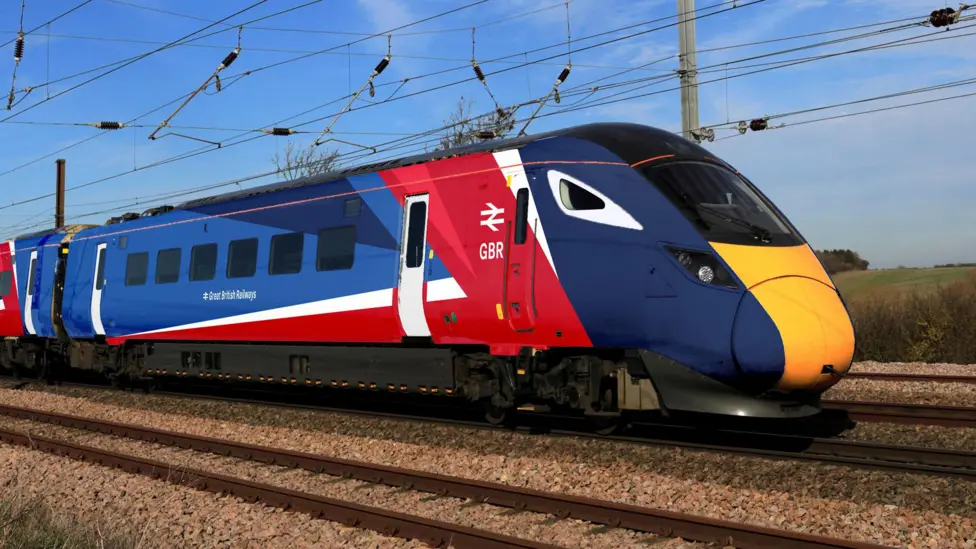
On 15 October 2026 the government confirmed GBR’s headquarters will be in Derby (Becketwell site), employing up to 450 staff, with construction starting in early 2027 and completion targeted for spring 2029. It also announced up to 600 apprenticeships over four years. GBR is intended to unite track and train under one publicly owned organisation, ending the main source of fragmentation.
Claimed early benefits include a freeze on regulated fares in England (the first in 30 years), extra seats, and savings of around £150 million a year by ending private management fees. A rolling stock and infrastructure strategy has been published.
Early Evidence and Reality Check
It is still too early for firm conclusions. Only a couple of the newest public operators have completed a full year. Government figures suggest publicly owned operators as a group have performed better on some punctuality and cancellation metrics than remaining private-contract operators, but individual experiences vary. South Western Railway, for example, saw initial cancellation problems linked to weather, signalling, and staffing; improvements are reported but reliability remains a live issue for many passengers. TransPennine Express (taken over earlier) improved after service cuts and a better industrial relations deal.
Experts note that performance depends heavily on factors beyond ownership: infrastructure condition, funding levels, industrial relations, weather resilience, and pre-existing problems. Public subsidy remains high and the Treasury is unlikely to open the spending taps further. Fares revenue has recovered but still lags pre-pandemic levels relative to journeys.
Common Arguments For and Against
Arguments in favour (widely shared by unions, many passengers, and the current government):
– Ends profit extraction and complex contractual interfaces.
– Allows integrated long-term planning of track, trains, and timetables.
– Puts passenger reliability and simplicity ahead of shareholder returns.
– Public polling has consistently shown majority or plurality support for public ownership.
– Potential to reinvest any operating surplus and simplify the fares system.
Arguments against or sceptical:
– Ownership structure is secondary to funding, incentives, and management quality. Historical British Rail faced underinvestment and political constraints.
– Risk of greater political interference in fares, services, and investment decisions.
– Does not automatically reduce costs or improve performance; bureaucracy and weaker commercial pressure are risks.
– Taxpayers already fund a large share of the railway; non-users subsidise users.
– Private operators contributed to strong passenger growth and some operational innovations. Creating a large state monopoly without robust independent regulation (the Office of Rail and Road’s role is being reduced in some areas) carries risks.
A Balanced Perspective:
Nationalisation of train operations is happening and is popular. The fragmentation of the 1990s model created real problems of coordination, complexity, and accountability, and several private franchises failed. Integrating track and train under GBR addresses a genuine structural flaw.
At the same time, changing the ownership badge will not by itself make trains cheaper, more punctual, or better funded. Passenger numbers recovered strongly under the privatised model (aided by economic growth and other factors). Safety improved. Subsidy levels are driven more by political choices, pandemic recovery, and infrastructure needs than by private profits alone. Rolling stock remains largely privately owned via leasing companies, and open-access operators will continue.
The real test will be whether GBR can deliver simpler fares, more reliable services, better industrial relations, and efficient use of the substantial public money already going into the system without the political short-termism that has affected public railways elsewhere. Early results are mixed and incomplete. A decade of data will be more informative than the first year or two.
The facts show both real achievements and clear failures in the privatised era, and a deliberate political choice now to reverse the operational privatisation. Whether that produces a better railway depends less on the label “public” or “private” and more on funding discipline, operational competence, regulatory design, and the willingness to prioritise passengers over either shareholders or short-term political pressures