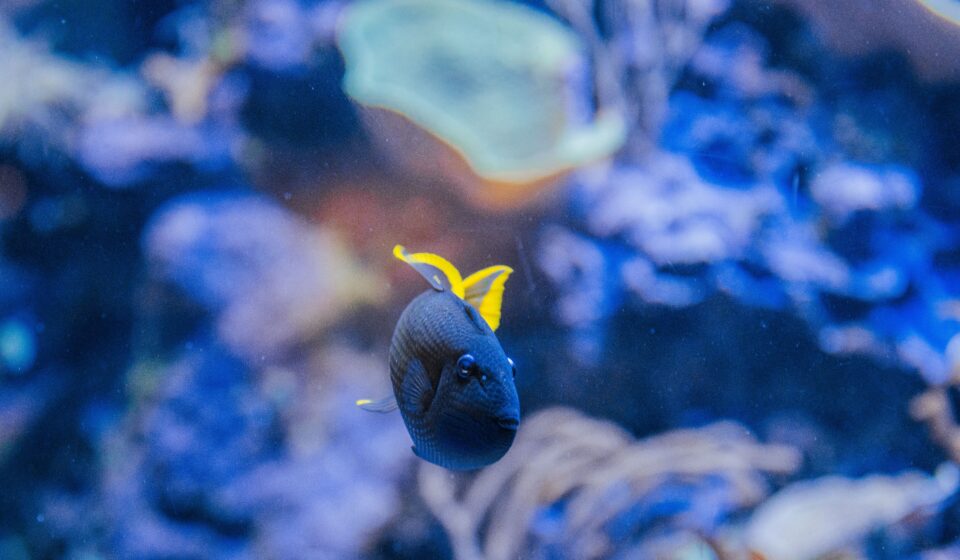

The ocean covers more than 70% of our planet and produces roughly half the oxygen we breathe. It absorbs vast amounts of carbon dioxide and heat, regulates climate, feeds billions of people, and supports an astonishing web of life from microscopic plankton to whales, sea turtles, coral reefs, and countless species we still haven’t named. At Sea Comes First, we believe one simple truth: if the sea doesn’t come first, nothing else will for long.
Yet marine life is under severe and accelerating pressure. According to the WWF Living Planet Report 2026, monitored marine vertebrate populations have declined by an average of 59% since 1970. Freshwater systems have fared even worse, and the overall picture for wildlife is a 73% average decline. These numbers are not abstract they reflect real losses in the health and resilience of the systems that sustain us.
The Main Threats to Sea Life
Several interconnected pressures are driving this decline:
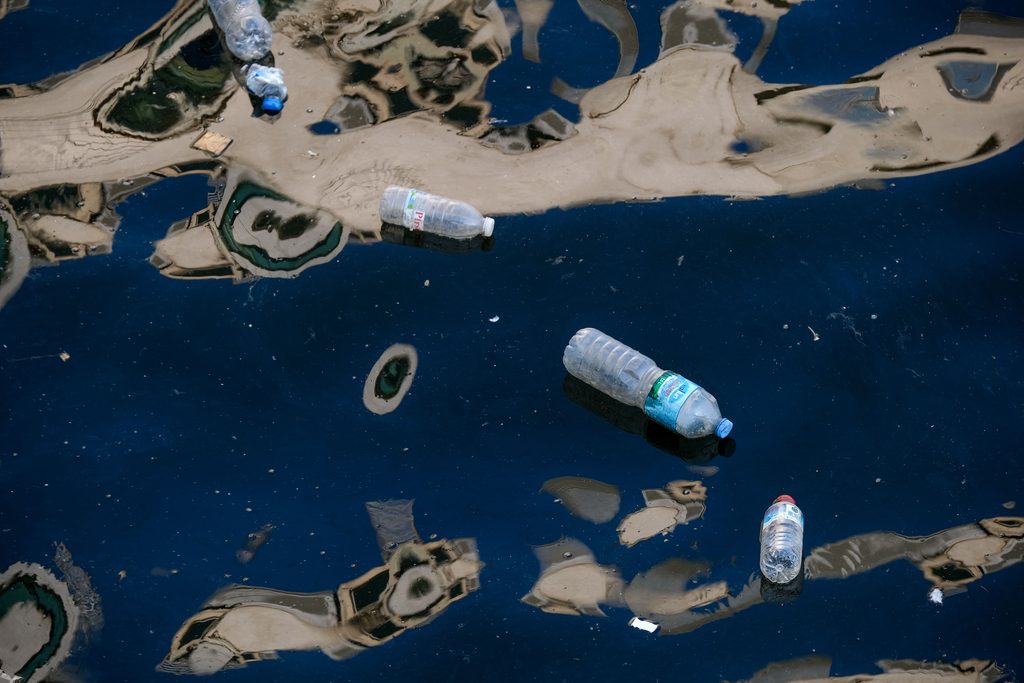
Plastic pollution: Roughly 52 million tonnes of plastic waste enter the ocean every year, contributing to an estimated 24 trillion microplastic particles. These affect more than 4,000 marine species. Plastics entangle animals, are mistaken for food, and break down into particles that move up the food chain. Warming waters can make the impacts worse, increasing toxicity and mortality for some fish and other organisms.
Overfishing and destructive fishing: Decades of industrial fishing have reduced the biomass of many commercially exploited species. Beyond the target fish, bycatch kills turtles, seabirds, sharks, and marine mammals. Bottom trawling damages seafloor habitats such as coral and seagrass that serve as nurseries and carbon stores. Overfishing also weakens the ocean’s ability to cycle and store carbon.
Climate change: The ocean has absorbed the majority of excess heat and a large share of CO₂ from fossil fuels. This has led to warming, acidification, deoxygenation, and expanding hypoxic zones. Coral reefs are bleaching and dying; species ranges are shifting; and Arctic sea ice continues to shrink. These changes stress every level of the marine food web.
Habitat loss and weak protection: Coastal ecosystems such as mangroves, seagrass beds, and salt marshes are being lost. Globally, about 10% of the ocean is now designated as protected or conserved, but only around 3.5% is assessed as effectively protected (where harmful activities are meaningfully restricted). The international goal under the Kunming-Montreal Global Biodiversity Framework is to protect 30% of land and sea by 2030. Progress is real but far too slow, especially on the high seas, which make up most of the ocean and remain largely unprotected. The High Seas Treaty (BBNJ Agreement) entering into force in 2026 is an important step, but implementation must follow.
Recovery Is Possible, When We Act
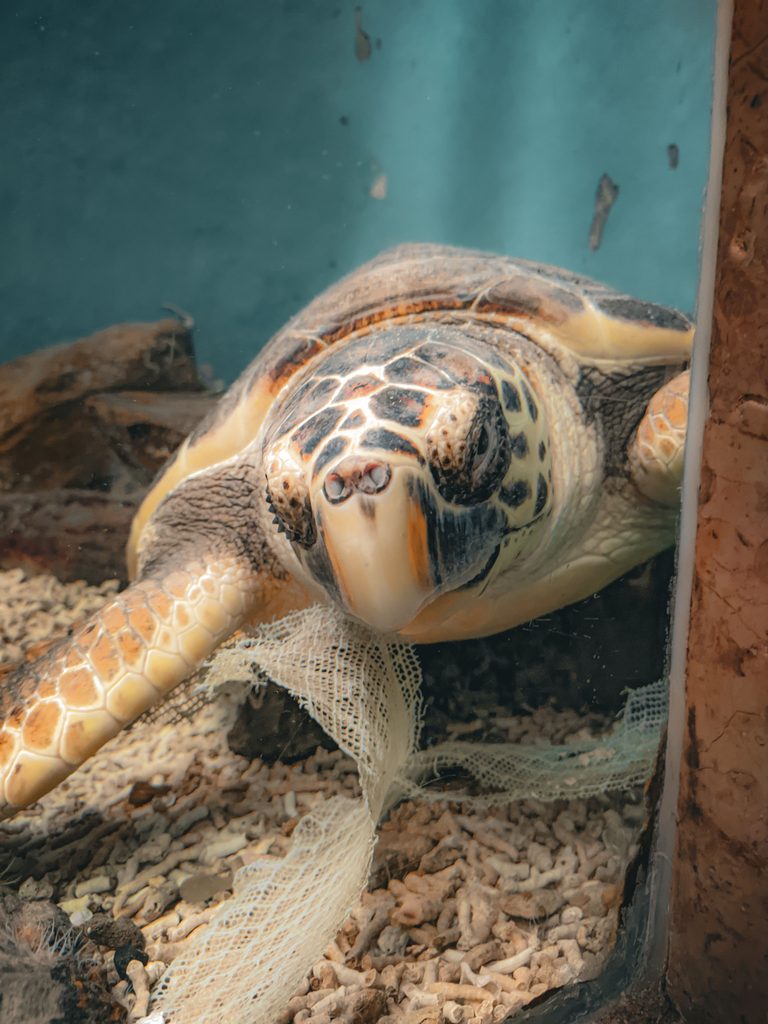
The same reports that document decline also highlight recoveries. Green sea turtles were downlisted from Endangered to Least Concern after decades of nesting-beach protection, lighting regulations, and bycatch reduction. Atlantic and Pacific bluefin tuna populations, once severely depleted, have rebounded under science-based quotas and monitoring. These examples show that targeted, sustained action works.
Effective marine protected areas (especially no-take zones), better fisheries management, reduced plastic leakage, and cuts in greenhouse-gas emissions all deliver measurable benefits. Finance remains a major gap estimates suggest the ocean needs on the order of £16 billion per year for proper protection, while current funding is far lower. Shifting even a fraction of the trillions currently flowing into activities that harm nature would close that gap.
What “Sea Comes First” Means in Practice
Putting the sea first is not only about conservation for its own sake. Healthy oceans support food security, coastal livelihoods, climate stability, and the oxygen we breathe. Practical steps include:
Expanding and strengthening truly protected areas, with enforcement that excludes damaging activities.
Ending harmful fisheries subsidies and reducing illegal, unreported, and unregulated fishing.
Cutting plastic at the source while improving waste management and supporting circular systems.
Accelerating the transition away from fossil fuels to limit further ocean warming and acidification.
Supporting community-led conservation and the rights of coastal and Indigenous peoples who have long stewarded these waters.
Choosing sustainable seafood, reducing single-use plastics, and backing policies and organisations that prioritise marine protection.
At Sea Comes First, we start from the conviction that the health of the sea is non-negotiable. The data is clear: marine life is declining, but recovery is within reach when protection is effective, well-funded, and prioritised. The ocean has already given us oxygen, climate stability, and abundance. Now it needs us to put it first before more irreversible losses accumulate.
The next few years will determine whether we meet the 30% protection goal with real ecological outcomes or continue counting paper designations while life in the water continues to fade. The choice is ours. The sea is waiting.